Creating a Collaborative Art Space
Art is often seen as a solitary pursuit, but creating a collaborative art space can significantly enhance creativity and community engagement. In Latvia, where artistic hobbies thrive, understanding how to foster such environments can benefit both budding and experienced artists.
Understanding the Benefits of Collaboration
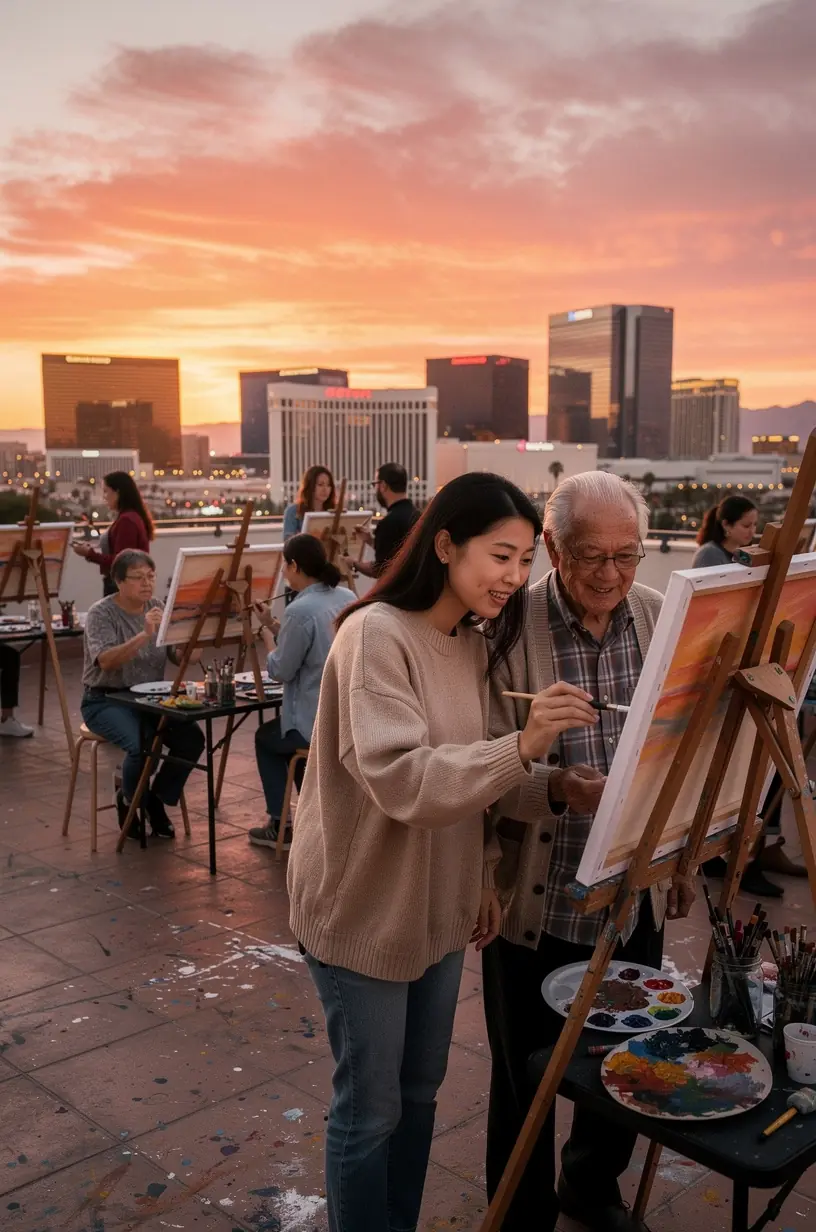
Research indicates that collaboration in artistic endeavors can lead to increased creativity and innovation. According to a study published in the Journal of Creative Behavior, artists who engage in collaborative projects often report enhanced creative output and satisfaction. This collaborative spirit works because it encourages sharing ideas, techniques, and feedback, which can lead to new perspectives and artistic growth.
"Collaboration encourages artists to explore new techniques and styles, often leading to unexpected and enriching results." - Art Community Expert
Key Elements of a Successful Collaborative Art Space
To create an effective collaborative art space, consider incorporating the following key elements:
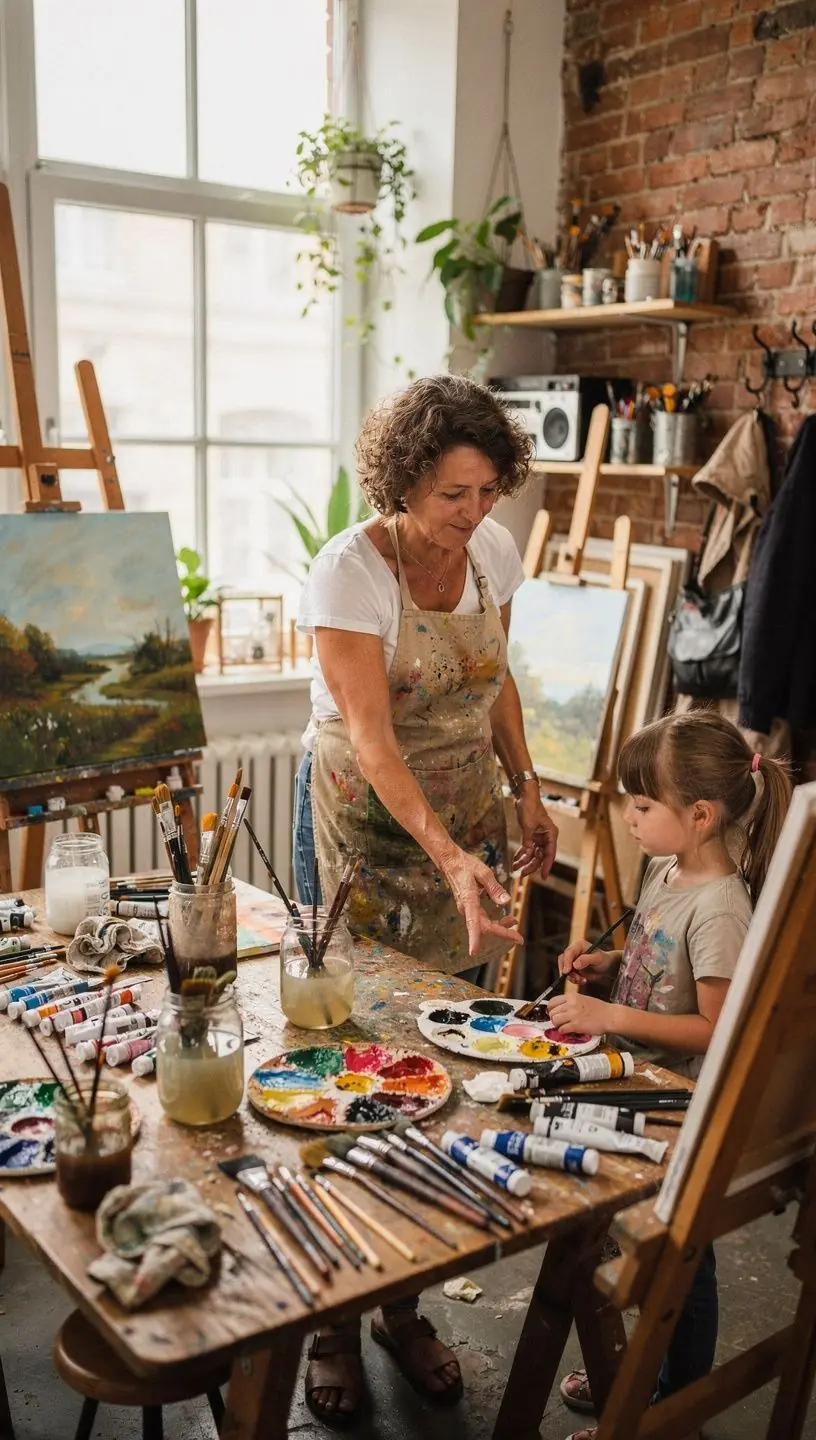
- Open Layout: An open and inviting layout can facilitate interaction among artists. Studies show that spaces designed for collaboration often have flexible seating and communal areas, which encourage conversation and teamwork.
- Resource Sharing: Providing shared resources, such as art supplies and tools, can help reduce barriers to entry for new artists. Many users report that having access to diverse materials enhances their willingness to experiment with different styles.
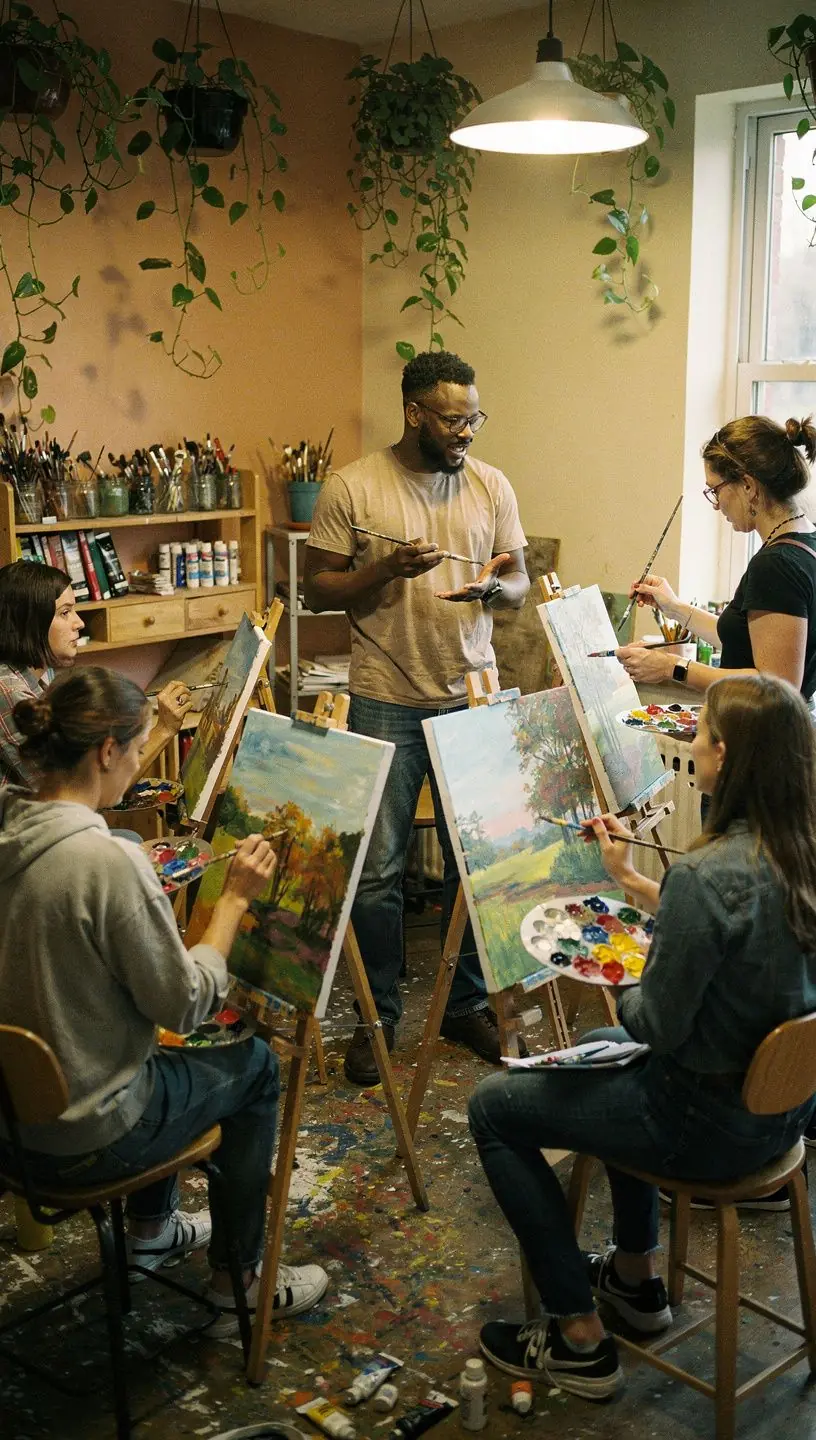
- Guided Sessions: Regularly scheduled guided sessions can provide structure and encourage participation. According to industry practices, these sessions not only teach new techniques but also foster community by bringing artists together around a common goal.
Building a Community Through Events
Organizing community events is crucial in fostering a sense of belonging among artists. This can include:
- Workshops: Workshops led by experienced artists can introduce new skills and techniques. These sessions typically require a commitment of a few hours over several weeks, which can be manageable for most participants.
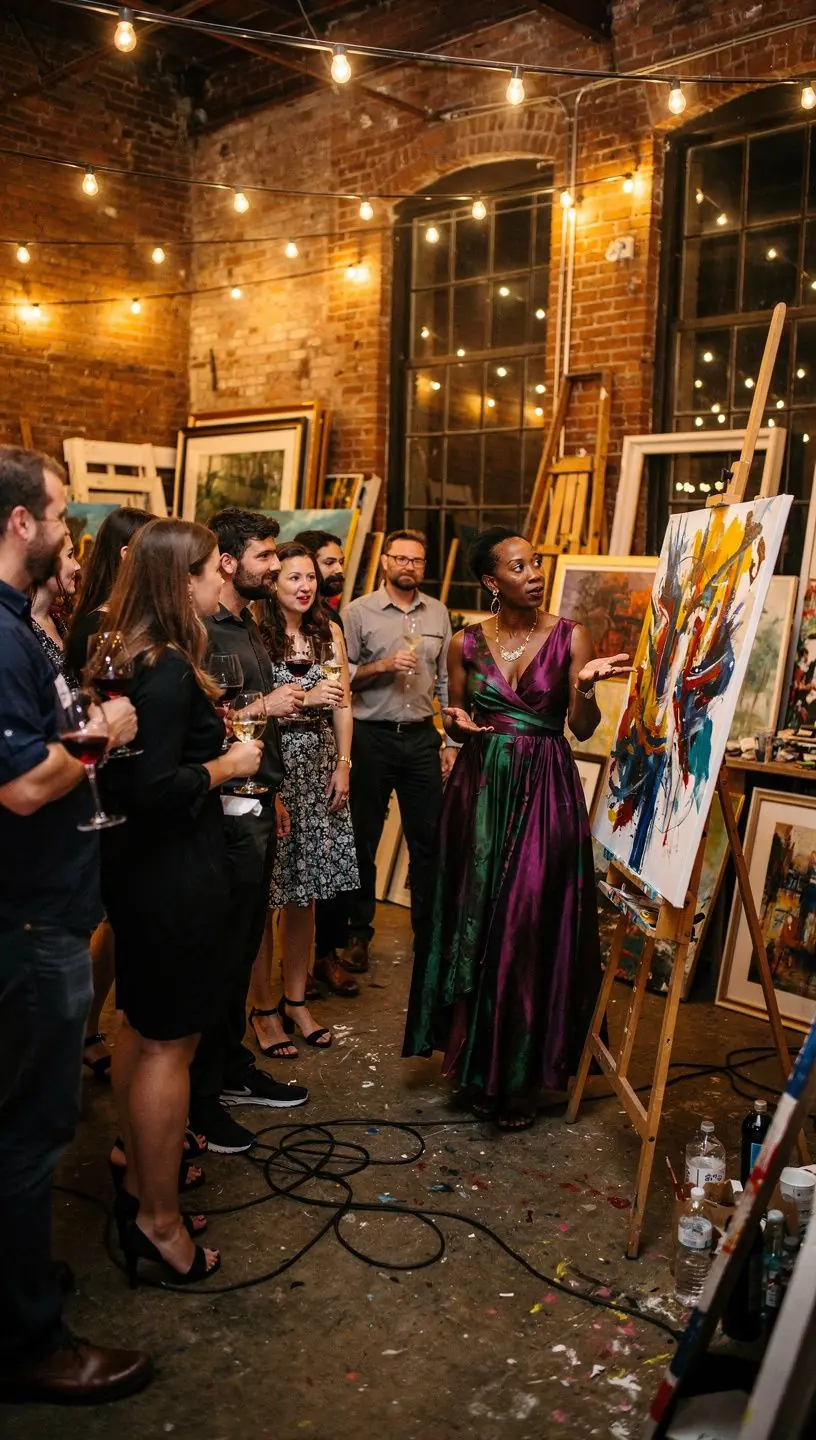
- Exhibitions: Showcasing artwork created in the collaborative space can build confidence among artists. Displaying work in a community exhibition often reinforces a sense of achievement and encourages further participation.
- Networking Nights: Hosting events focused on networking can help artists connect with each other and industry professionals. These informal gatherings can often lead to lasting artistic partnerships and friendships.
Managing Challenges
Creating a collaborative art space can present challenges, such as varying skill levels among participants. It's essential to establish guidelines that encourage inclusivity while maintaining creative standards. In most cases, clear communication and structured activities can help manage these differences effectively.
Conclusion
Establishing a collaborative art space is a rewarding endeavor that can enhance creativity and community bonds among artists in Latvia. By focusing on open layouts, resource sharing, guided sessions, and community events, you can create an environment where artistic expression flourishes. Remember, it may take time for a community to form, but the long-term benefits of collaboration can significantly enrich the local art scene.
Learn More