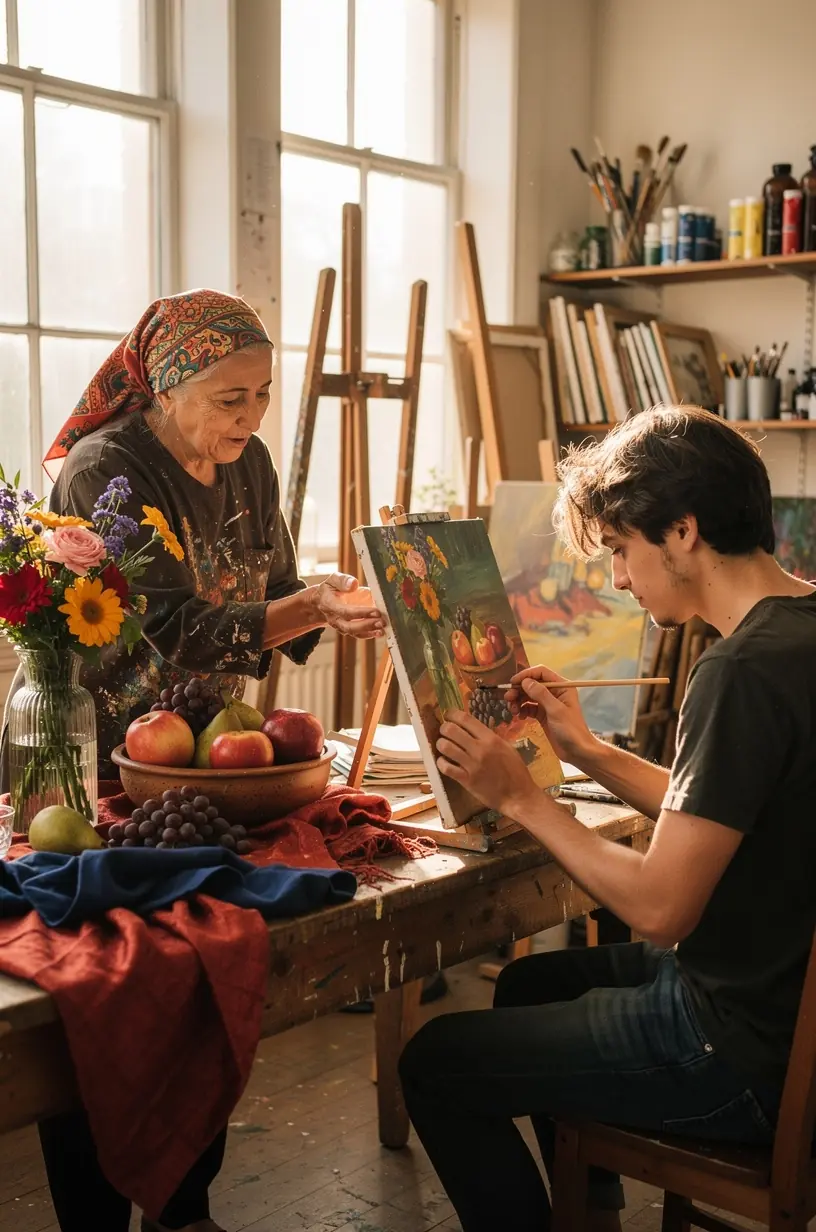
Understanding the Impact of Light on Paint
Light plays a crucial role in how colors and textures appear on canvas. Understanding this influence can significantly enhance your painting experience and outcome. In this article, we will explore the principles behind light and its effects on paint, supported by expert insights and practical applications.
The Science of Light and Color
The interaction between light and color is a fundamental aspect of painting. According to scientific research, the perception of color changes based on the light quality, intensity, and angle. For instance, colors can appear warmer or cooler depending on the light source. This phenomenon occurs due to the way light wavelengths interact with pigments. Experts suggest that understanding these interactions can enhance a painter's ability to choose colors effectively.

"The color you see is not just the pigment; it is also the light that hits the surface." - Art Educator
Types of Light and Their Effects
Different types of light can significantly affect how paint is perceived:
- Natural Light: This is typically the most favorable for painting. Artists often recommend painting outdoors or near windows to benefit from the changing qualities of daylight.
- Artificial Light: Depending on the type (incandescent, fluorescent, LED), artificial lights can alter color perception. For example, incandescent lights tend to enhance warm tones, while fluorescent lights can wash out colors.
- Directional Light: The angle of light can create varying shadows and highlights, influencing how textures and details are perceived in your artwork.
Practical Tips for Artists
To effectively utilize light in your painting, consider the following approaches:
- Observe Natural Light: Spend time studying how natural light changes throughout the day. This observation can inform your choice of colors and techniques.
- Experiment with Different Lighting: Try painting the same subject under various types of light to see how colors shift. This exercise will deepen your understanding of color dynamics.
- Use a Color Wheel: Familiarize yourself with a color wheel to understand complementary colors and how they react to different lighting conditions.
Limitations and Considerations
While understanding light's impact on paint is valuable, it does come with some limitations:
- This process typically requires time and practice to master, as color perception can be subjective and influenced by personal experience.
- Results may vary based on location and environmental conditions—what works in one setting might not translate well to another.
- It may be challenging to replicate light conditions outside of a controlled environment, especially in studio settings.
Conclusion
Understanding the impact of light on paint can significantly enhance your artistic practice. By learning how different light sources affect color perception, you can make more informed choices in your artwork. Remember, this is a skill that often takes time to develop, but the insights gained are invaluable in creating visually compelling pieces. Don’t hesitate to experiment and observe; the journey of learning is part of the creative process.
Learn More