How to Organize a Local Art Exhibition
Organizing a local art exhibition can be an enriching experience, fostering community connections and showcasing talent. However, it requires careful planning and coordination. This guide will provide you with practical steps and insights into successfully hosting an art exhibition.
Understanding the Basics
To begin, it's essential to understand what an art exhibition entails. An art exhibition is an organized display of artwork, typically aimed at promoting artists, facilitating community engagement, and providing a platform for artistic expression. According to industry experts, a well-structured exhibition can enhance the visibility of local artists and contribute to the cultural landscape of a community.
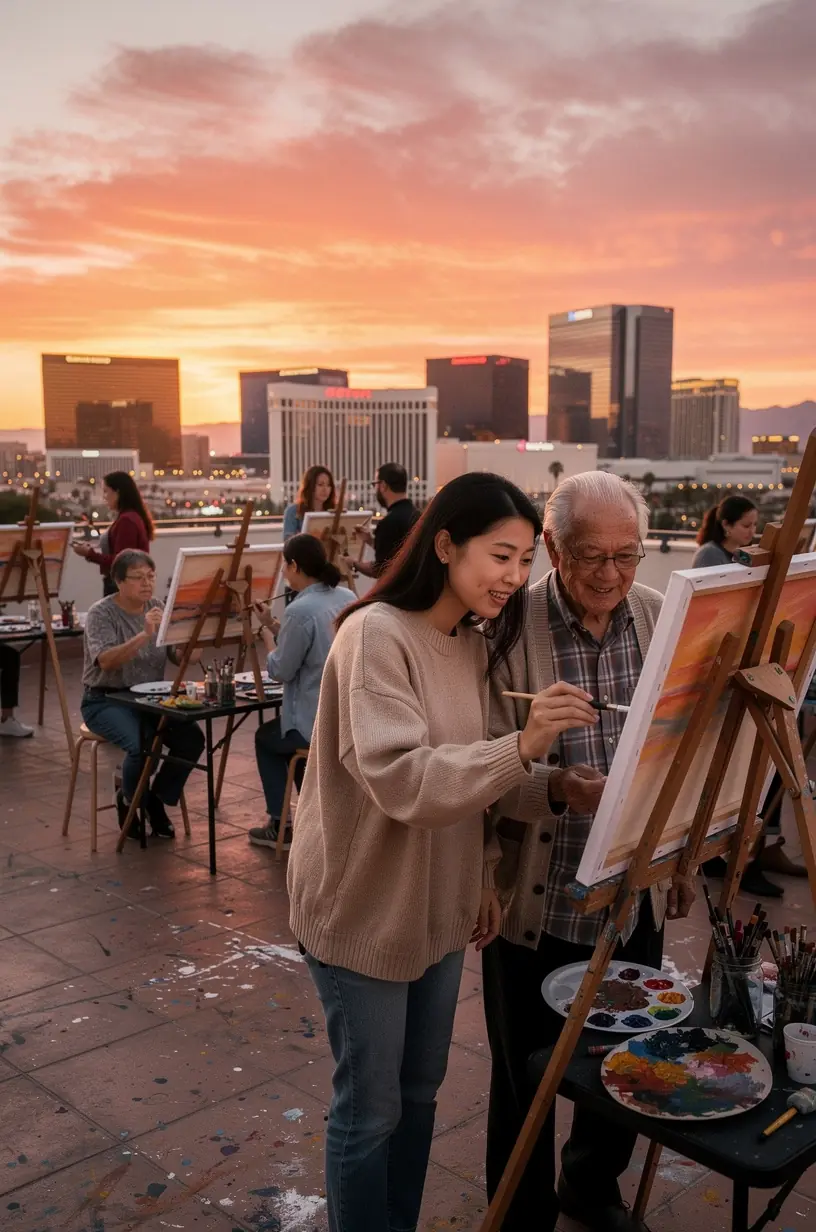
"Local exhibitions often play a crucial role in supporting emerging artists and fostering community pride." - Art Community Studies
Step-by-Step Guide to Organizing an Exhibition
Here are the key steps to consider when planning an art exhibition:
- Define Your Objectives: Before diving into logistics, clarify the purpose of your exhibition. Are you aiming to promote local artists, raise funds for a cause, or create awareness around a specific theme? Understanding your objectives will guide your planning process.
- Choose a Venue: Selecting the right venue is critical. Look for spaces that are accessible, have appropriate lighting, and can accommodate the expected number of visitors. Local community centers, galleries, or even outdoor spaces are common options. Typically, securing a venue requires booking 2-4 weeks in advance.
- Curate the Artwork: Decide on the pieces to be displayed. This may involve a call for submissions or selecting works from established artists. Research indicates that diverse art styles can attract a broader audience, so consider a variety of mediums and themes.
- Promote Your Exhibition: Utilize social media, local newspapers, and community boards to spread the word. Experts recommend creating an event page that includes the exhibition date, venue, and a preview of featured artists. Consistent promotion is crucial for maximizing attendance.
- Plan the Opening Reception: Many exhibitions benefit from an opening event, which can create buzz and encourage attendance. This typically involves refreshments, music, and possibly a speech from one of the artists or organizers. Such events often help build rapport within the community.
Engaging the Community
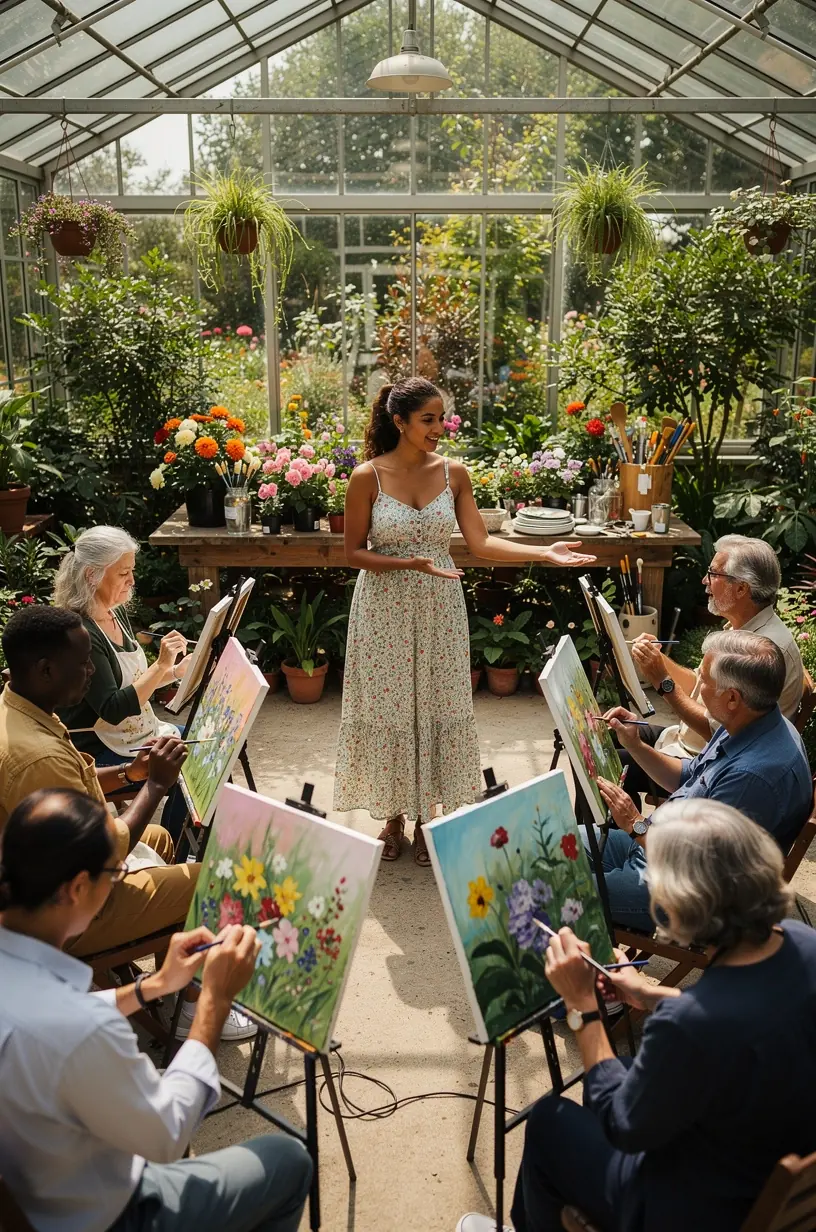
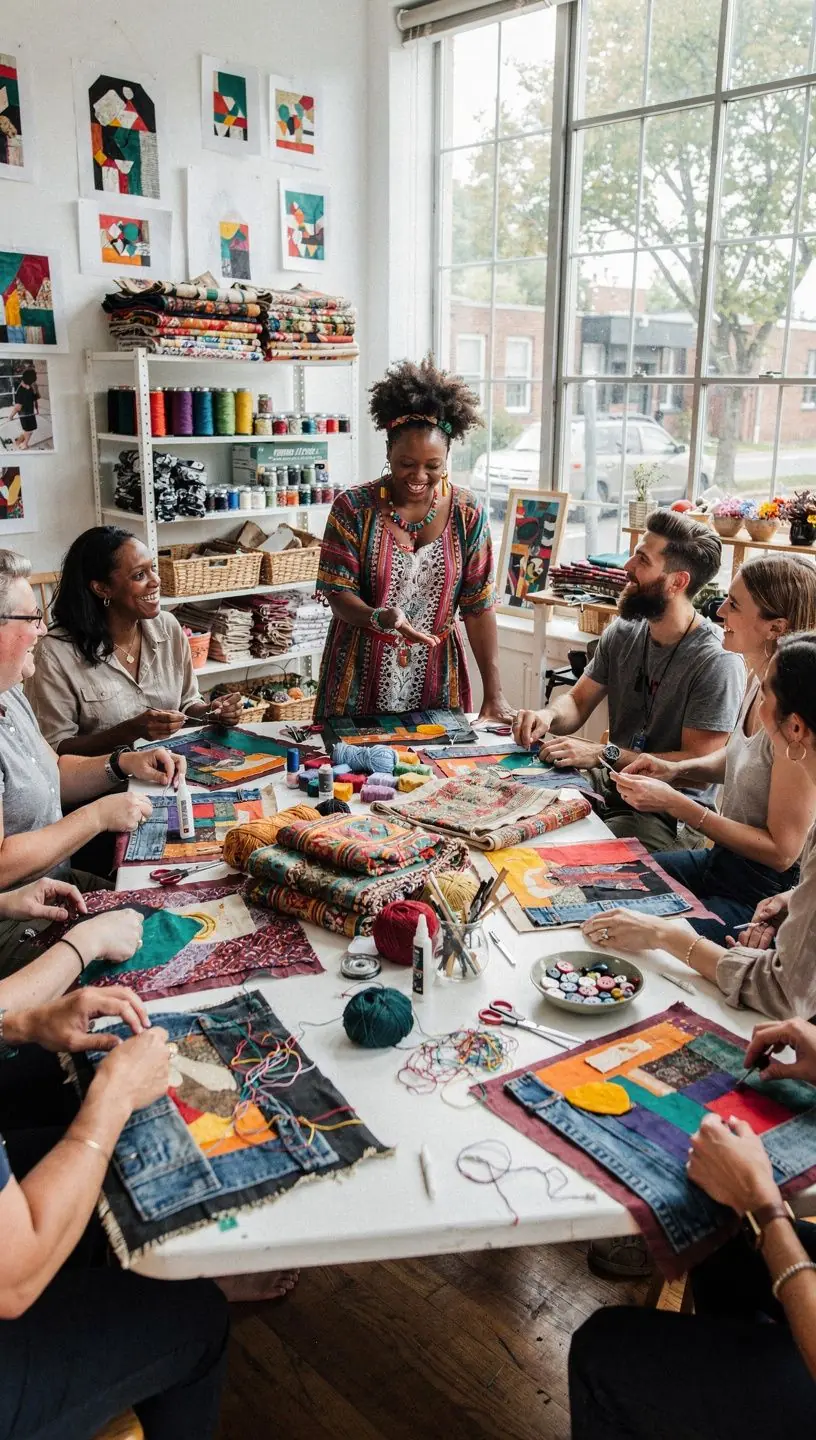
Community engagement is a vital component of a successful art exhibition. Consider hosting workshops or guided sessions during the exhibition to encourage interaction. Research suggests that incorporating educational elements can increase visitor satisfaction and deepen their appreciation for the art on display.
Evaluating Success
After the exhibition, take time to evaluate its success. Gather feedback from attendees and artists, and assess the overall attendance numbers. This will not only help you understand what worked well but also what could be improved for future events. According to industry best practices, conducting a post-event analysis typically involves collecting responses within a week of the exhibition closing.
Conclusion
Organizing a local art exhibition can be a fulfilling project that enriches your community and supports artists. By following these practical steps and setting clear expectations, you can create an event that resonates with attendees and fosters a love for the arts. Remember, while the process requires effort and dedication, the connections and experiences gained through this endeavor can be invaluable.
Learn More