Practical Tips for Setting Up an Art Studio
Creating an art studio can be an enriching endeavor for any artist or hobbyist. This article provides practical tips for setting up a creative space that fosters artistic expression, encourages productivity, and supports community involvement.
Understanding the Basics
When setting up an art studio, it’s essential to consider factors such as space, lighting, and organization. According to research, a well-organized studio can lead to increased creativity and productivity—studies indicate that artists often feel more inspired in organized environments.
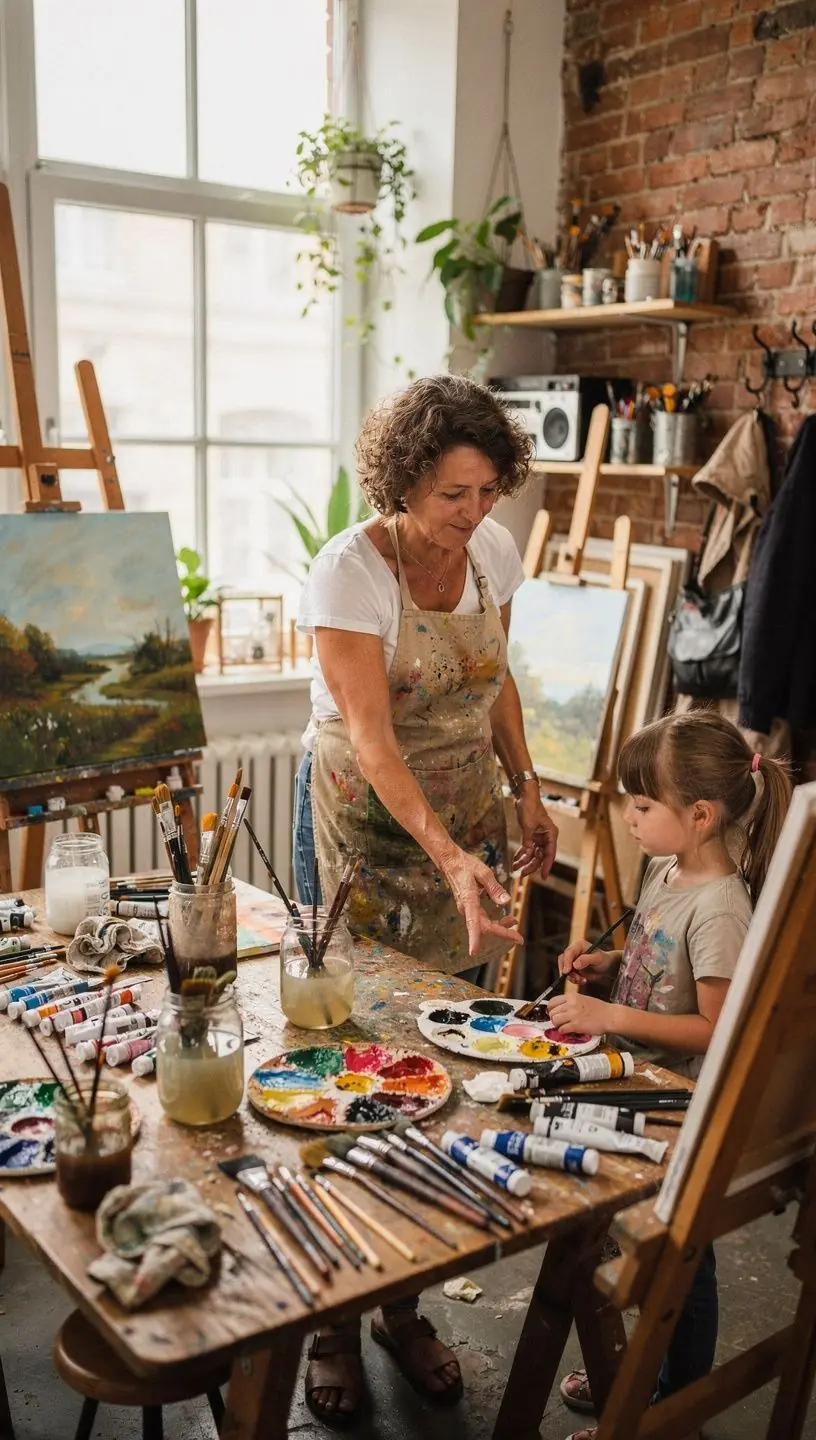
"A clean and organized workspace fosters not only creativity but also enhances focus, allowing artists to immerse themselves in their work."
Choosing the Right Space
Typically, the ideal space for an art studio is well-lit and spacious enough to accommodate both art supplies and creative projects. Here are some tips for selecting a suitable space:
- Consider natural light: Natural light can significantly enhance the atmosphere in your studio. Many artists report that working in natural light improves their mood and creativity.
- Evaluate ventilation: Adequate ventilation is crucial, especially if you work with materials that emit fumes, such as oil paints. A well-ventilated space can help reduce health risks associated with art supplies.
- Assess available space: Ensure that your chosen space has enough room for your easel, supplies, and any larger projects. Having adequate space can reduce clutter and create a more inviting environment.
Organizing Your Supplies
Once you’ve chosen your space, organizing your art supplies effectively is key. Experts recommend categorizing supplies based on their usage, which can help you easily access what you need. Here’s how to do it:
- Group similar items: Keep brushes, paints, and canvases together. This organization method allows you to quickly find what you need during creative sessions.
- Use storage solutions: Invest in shelves, bins, or pegboards to store supplies. Many users report that clear containers help them see what they have at a glance, reducing time spent searching for items.
- Label everything: Labeling your storage can help maintain organization. This practice is often recommended in studio setups to streamline the creative process.
Creating a Comfortable Environment
Comfort plays a critical role in how effectively you can work in your studio. Research suggests that artists are often more productive in environments that promote comfort. Here are some considerations:
- Furniture selection: Choose ergonomic furniture to promote good posture and comfort. A comfortable chair can help during long painting sessions.
- Temperature control: Ensure your studio is neither too hot nor too cold. A controlled environment can lead to better concentration and creativity.
- Incorporate personal touches: Adding artwork, plants, or personal decorations can make the space feel more welcoming and inspiring.
Engaging with the Community
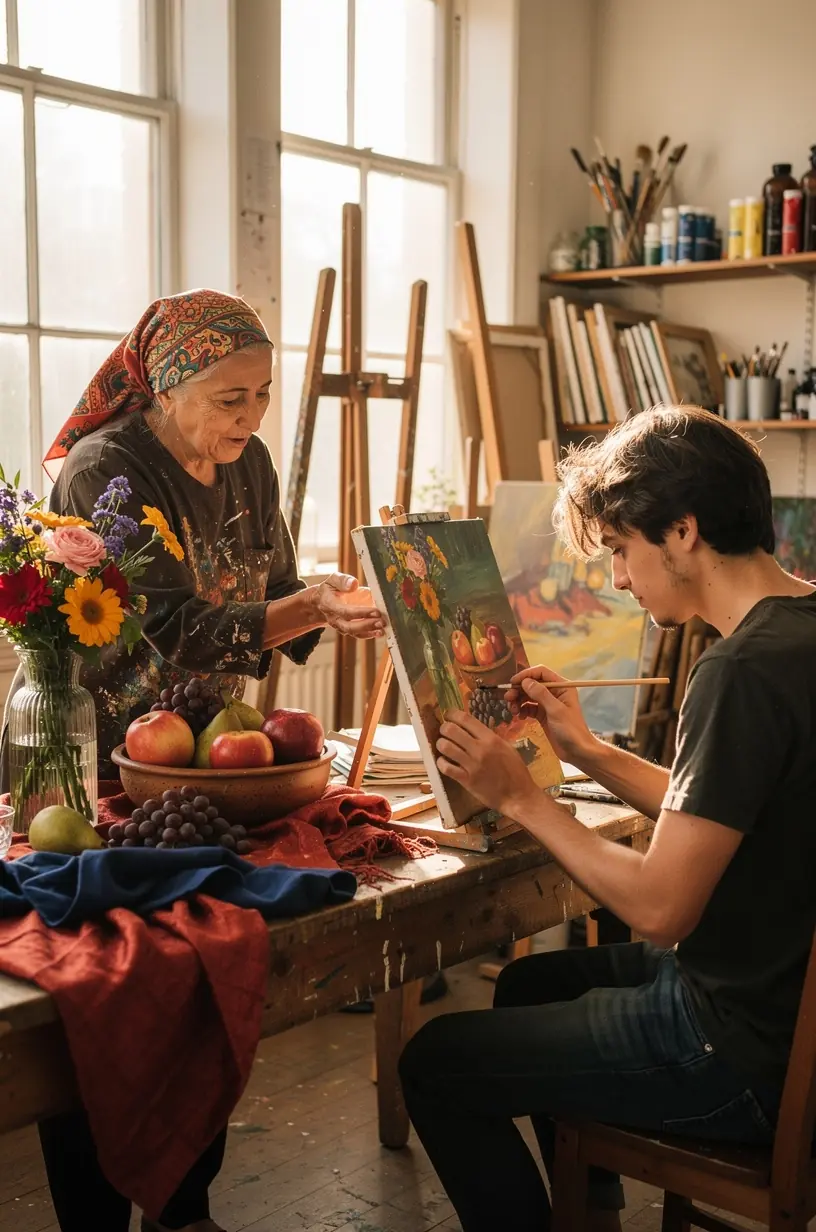
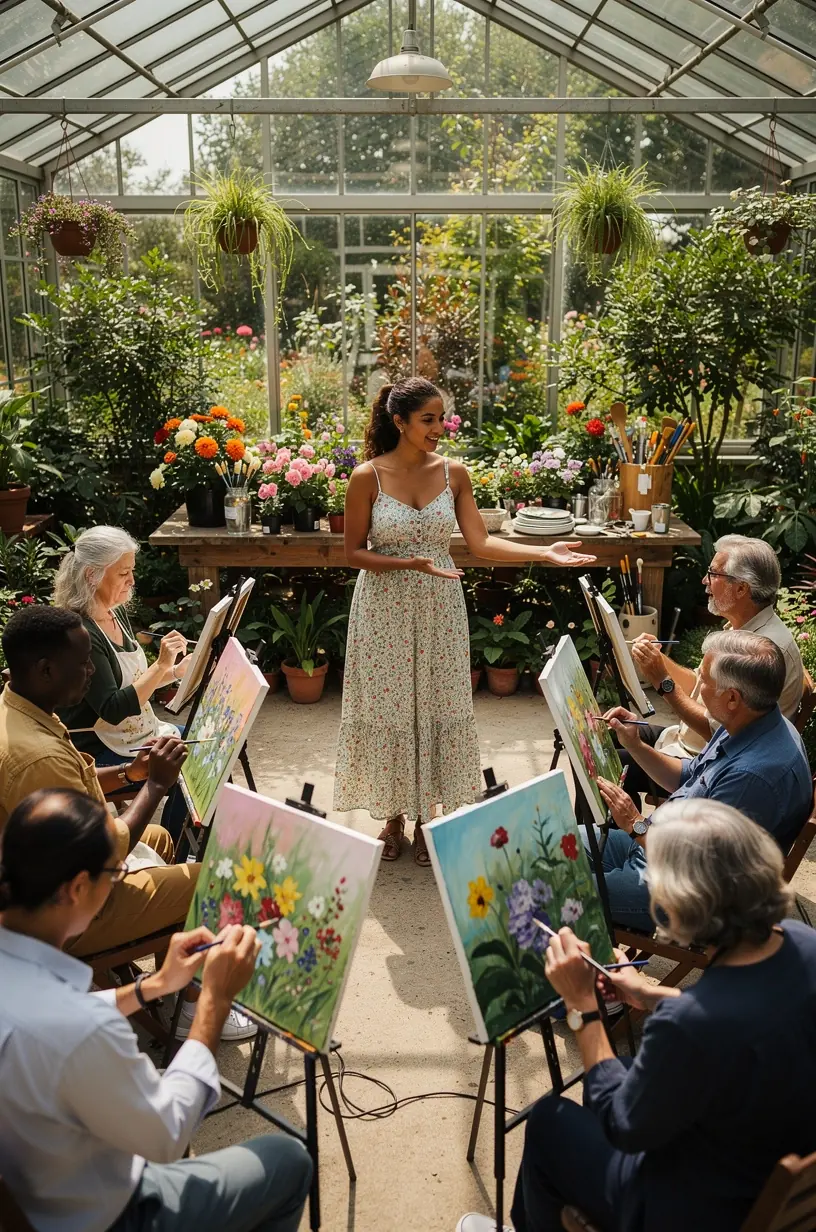
Lastly, engaging with fellow artists can enhance your experience. Many creative studios offer guided sessions and community events that allow you to connect with others. Participating in these activities can provide valuable feedback and support.
"Collaboration and community involvement can lead to shared ideas and growth, which is essential in any artistic journey."
Conclusion
Setting up an art studio is a rewarding process that can greatly enhance your creative practice. By taking the time to choose the right space, organize supplies effectively, ensure comfort, and engage with your community, you can create an inspirational environment that supports your artistic endeavors. Remember, these improvements may take time and require some effort, but the investment can lead to fruitful creative outcomes.
Learn More