Exploring Different Styles of Abstract Art
Abstract art encompasses a wide variety of styles and forms that challenge traditional boundaries of representation. This article explores the diverse styles of abstract art, providing insights into their unique characteristics and how they can be appreciated and created in the context of artistic hobbies.
Understanding the Basics of Abstract Art
Abstract art is often characterized by the use of shapes, colors, and forms that do not directly represent reality. Instead, it focuses on the emotional impact of visual elements. According to the Museum of Modern Art, abstract art emerged in the early 20th century as artists began to explore new ways of expression, moving away from realistic depictions.
"Abstract art allows artists to express emotions and ideas that may be difficult to convey through traditional representation." - Art Historian
Key Styles Within Abstract Art
Several distinct styles have developed within the realm of abstract art, each with its own approach and philosophy. Here are a few notable examples:
- Geometric Abstraction: This style often utilizes shapes and lines to create structured compositions. Artists like Piet Mondrian exemplified this by using a grid of rectangles filled with primary colors.
- Color Field Painting: Originating in the 1950s, this style emphasizes large areas of color and the emotional resonance of hues. Artists such as Mark Rothko are known for this approach, where color becomes the primary subject.
- Abstract Expressionism: This movement, which gained popularity in the mid-20th century, focuses on spontaneous, emotional expressions through paint. Jackson Pollock is famously associated with this style, using techniques like drip painting to evoke feelings and movement.
Practical Application and Community Engagement
If you are interested in creating abstract art, engaging with a community can enhance your experience. Here are some practical steps to get started:
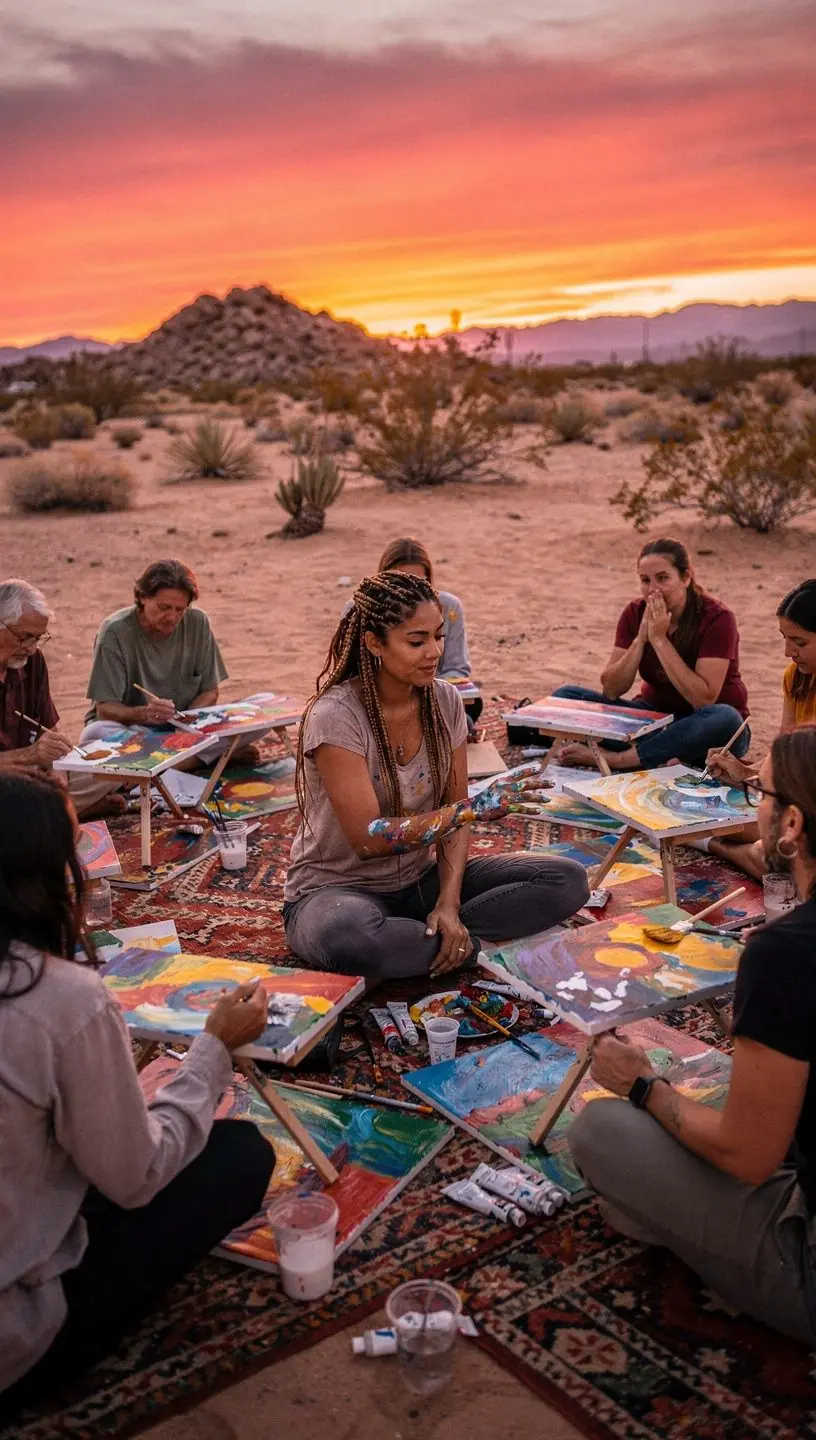
- Research and Experiment: Spend time exploring different styles. Many artists report that experimenting with various mediums, such as acrylics or watercolors, can help identify which style resonates most.
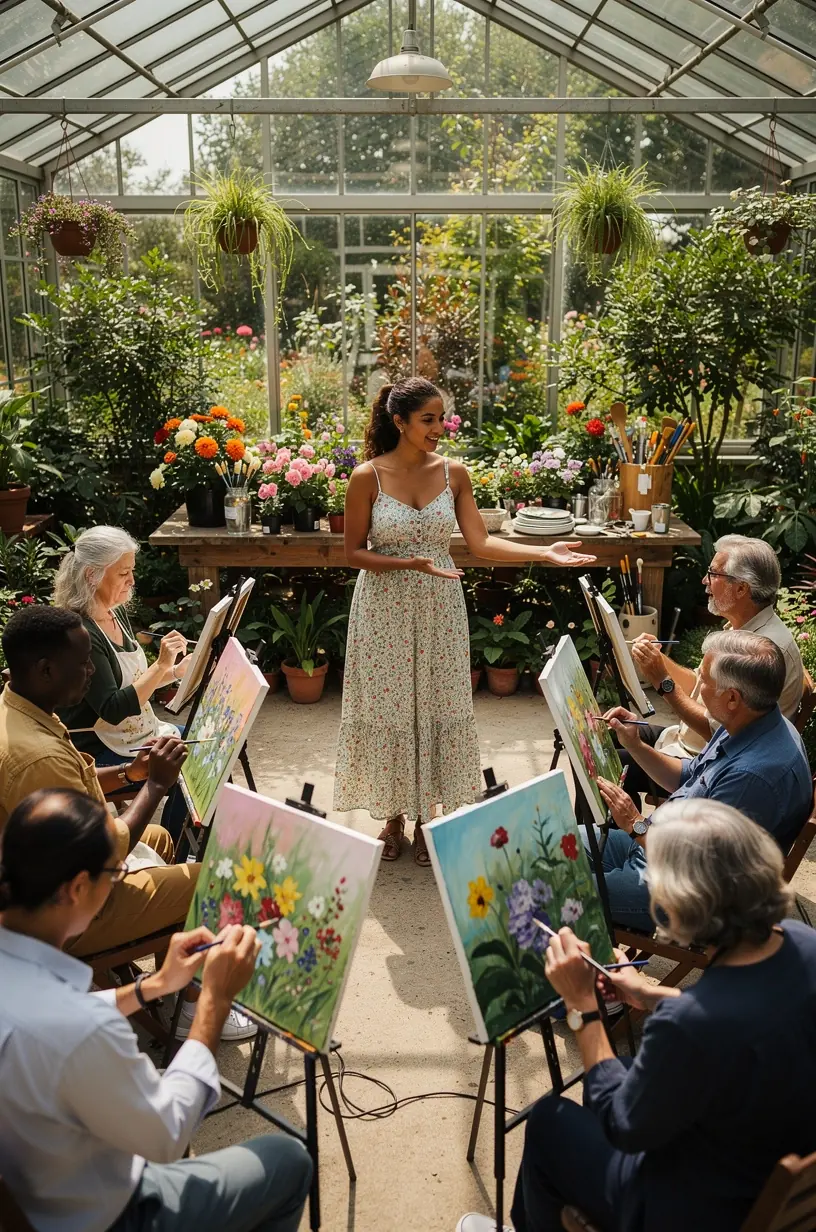
- Join a Guided Session: Participating in guided sessions offered by creative studios can provide valuable insights. Research shows that structured learning can help beginners develop their skills more effectively than self-study alone.
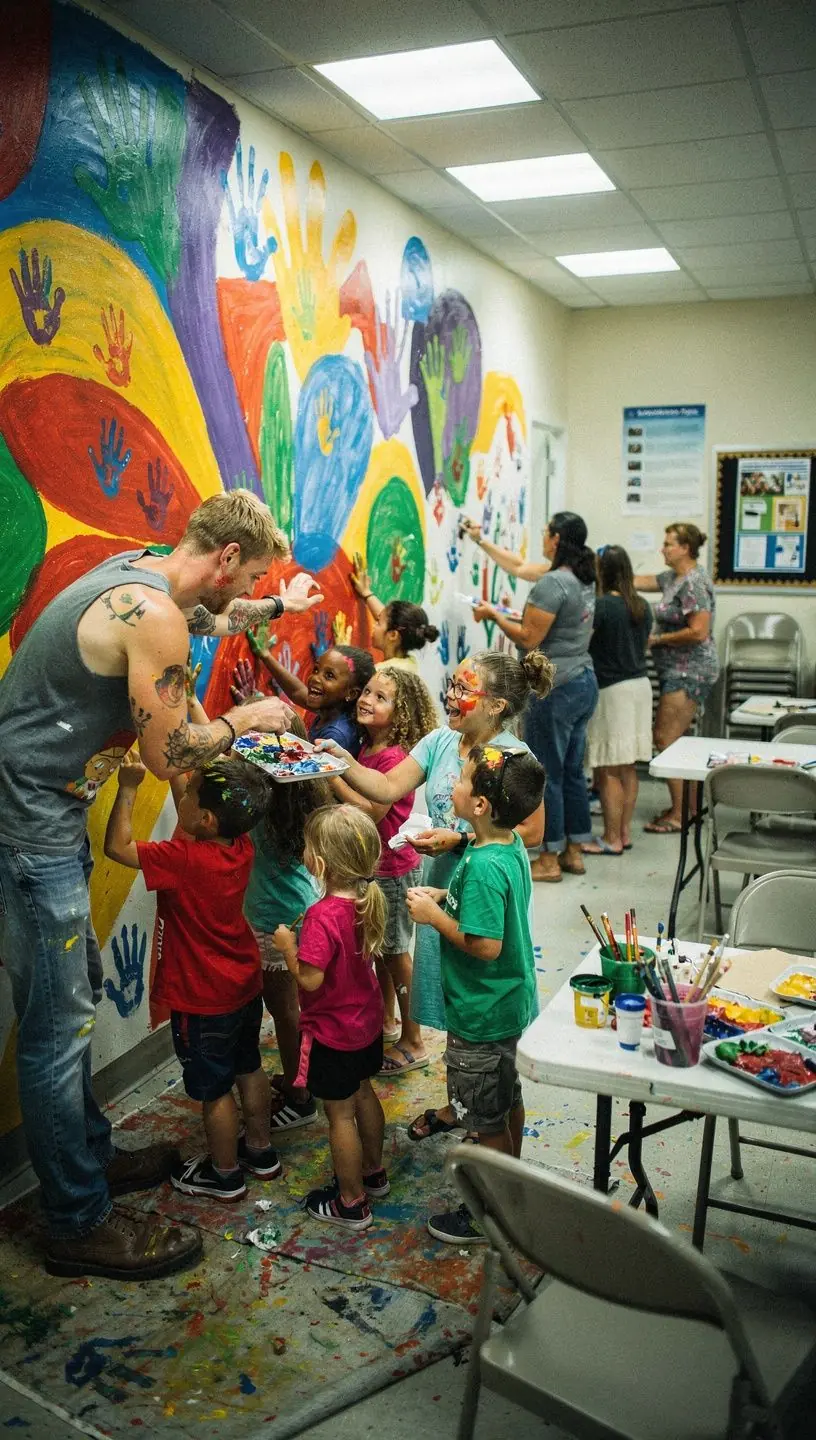
- Participate in Community Events: Community events can provide opportunities to share your work and receive feedback. Engaging with fellow artists often fosters collaboration and inspiration, leading to more profound artistic development.
Conclusion
Exploring different styles of abstract art can be a fulfilling journey that enhances your artistic skills and creativity. By understanding the fundamentals of abstract art and engaging with a community, you can foster your artistic expression in a supportive environment. Remember, creating abstract art typically requires time and practice; many artists report that consistent effort can lead to increasingly satisfying results. So, take your time, explore various styles, and enjoy the creative process!
Learn More