Exploring Cultural Influences in Local Art
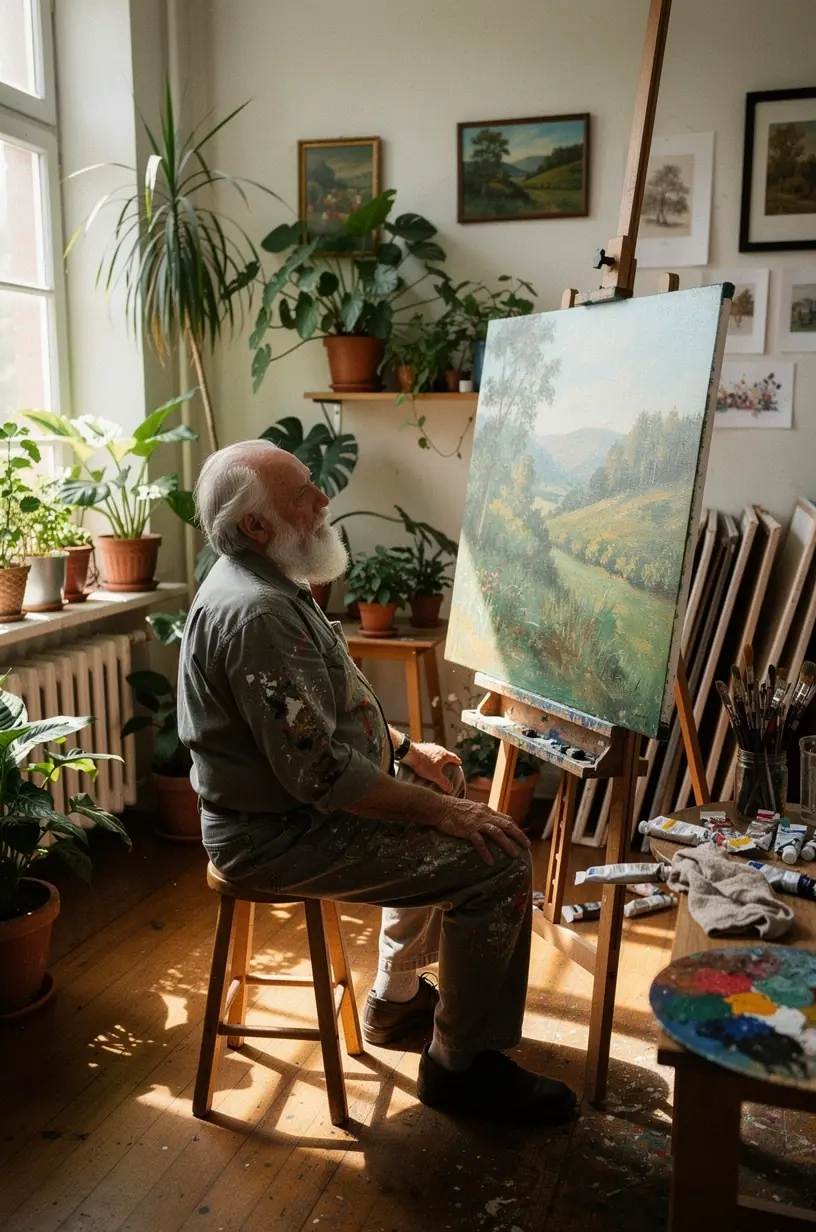
Art has long been a reflection of cultural values, beliefs, and traditions. In Latvia, the rich tapestry of history and diverse influences plays a crucial role in shaping local artistic expressions. This article delves into the cultural influences that inform local art, providing an overview of how these elements come together in creative studios and community events.
The Intersection of Culture and Art
Understanding the connection between culture and art is essential for appreciating local artistic movements. According to industry experts, art often serves as a mirror to society, reflecting its values and historical context. In Latvia, the arts have been influenced by various cultural waves, including folk traditions, Russian and Soviet history, and contemporary European trends.
"Art is the most beautiful of all lies; it reflects our cultural truths and narratives." – Unknown
Historical Context
Latvian art has evolved significantly over the centuries, often paralleling the country's tumultuous history. Research indicates that many Latvian artists draw inspiration from their heritage, often blending traditional folk motifs with modern techniques. This fusion is evident in various art forms, including painting, sculpture, and textile arts.
Folk Art Traditions
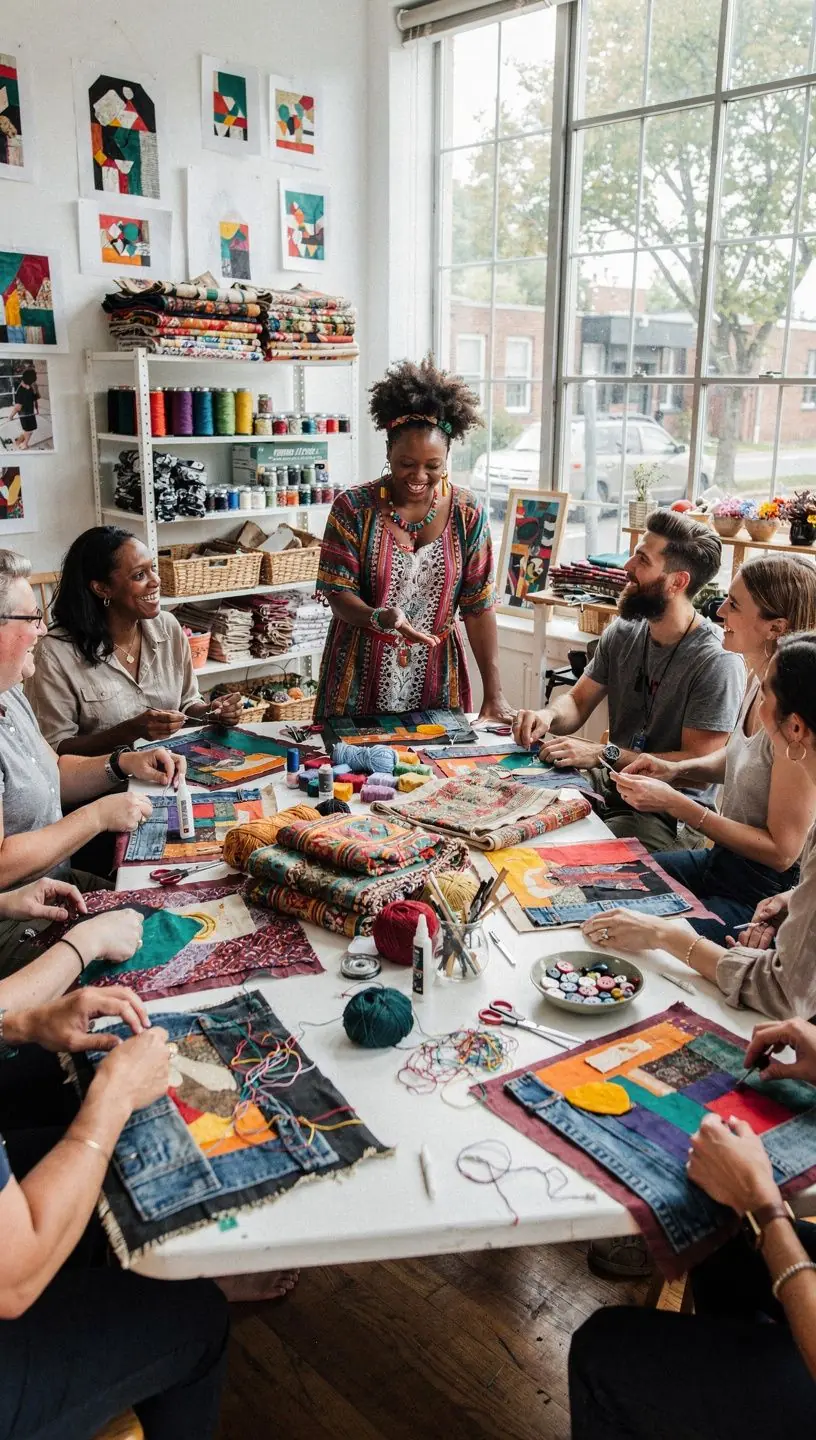
The influence of folk art in Latvia cannot be overstated. Many users report that participating in workshops focused on traditional crafts, such as weaving and embroidery, allows them to connect with their roots. These activities often involve:
- Learning historical techniques that have been passed down through generations.
- Understanding the symbolism behind various patterns and colors.
- Creating art that resonates with personal and collective identity.
Contemporary Influences
In recent years, there has been a noticeable shift towards contemporary expressions of art in Latvia. Many artists are experimenting with mixed media, digital art, and performance art to address current social issues. Experts recommend engaging in community events where these modern influences are showcased, as they often provide a platform for discussion and interaction.
Community Engagement
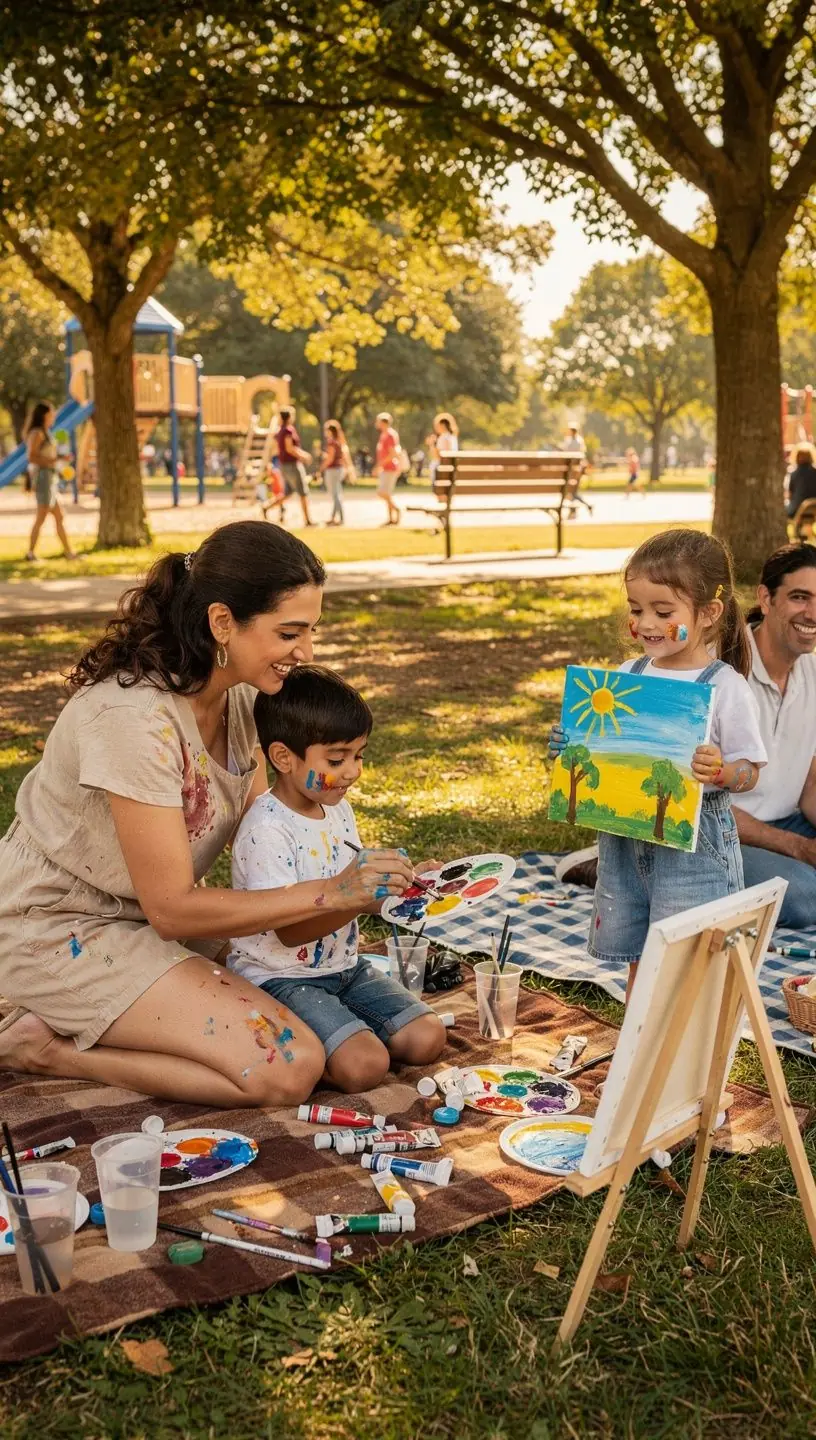
Local art studios frequently host guided sessions and community events that encourage collaboration among artists and enthusiasts. These gatherings typically involve:
- Interactive workshops that foster skill development in a supportive environment.
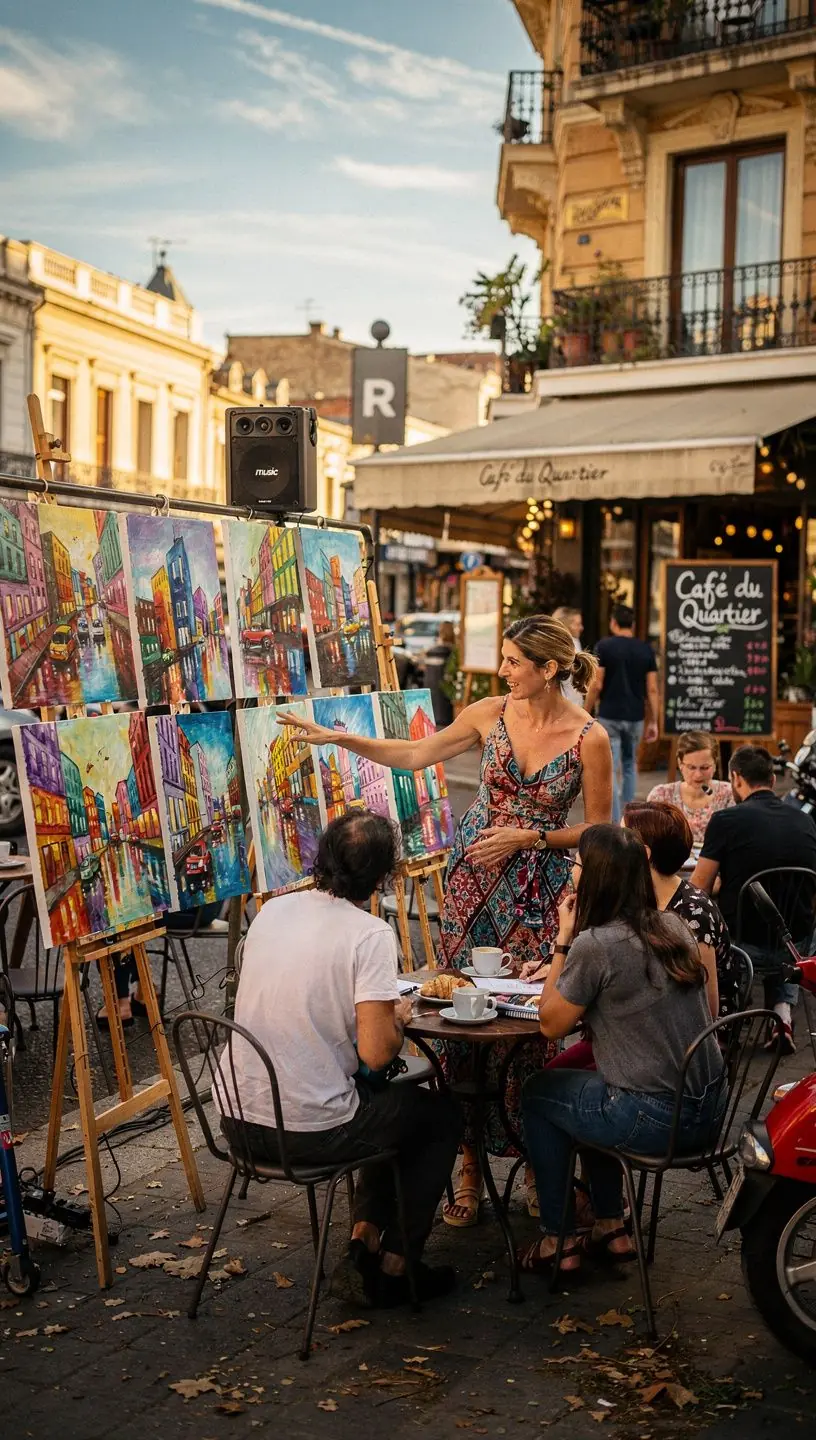
- Art exhibits where attendees can view and discuss local works, gaining insights into the artists' influences.
- Networking opportunities that can lead to future collaborations and projects.
Conclusion
Exploring cultural influences in local art offers valuable insights into the identity and values of a community. By engaging with both historical and contemporary artistic expressions, individuals can foster a deeper appreciation for the artistic landscape around them. Whether through participation in creative studios or attendance at community events, the journey into local art can be a rewarding experience that celebrates and nurtures cultural heritage.