Practical Techniques for Watercolor Painting
Watercolor painting is a captivating medium that allows for a unique expression of creativity. Understanding its practical techniques can enhance your skills significantly, whether you're a beginner or someone looking to refine their artistry. This article discusses effective methods and offers insights into achieving beautiful results through watercolor painting.
Understanding the Basics of Watercolor
Watercolor painting typically involves the use of pigment suspended in a water-based solution. The fundamental principle behind watercolor is that the transparency of the medium allows light to reflect off the white surface of the paper, creating vibrant colors. According to experts, mastering the characteristics of watercolor paints is essential for producing desirable effects.
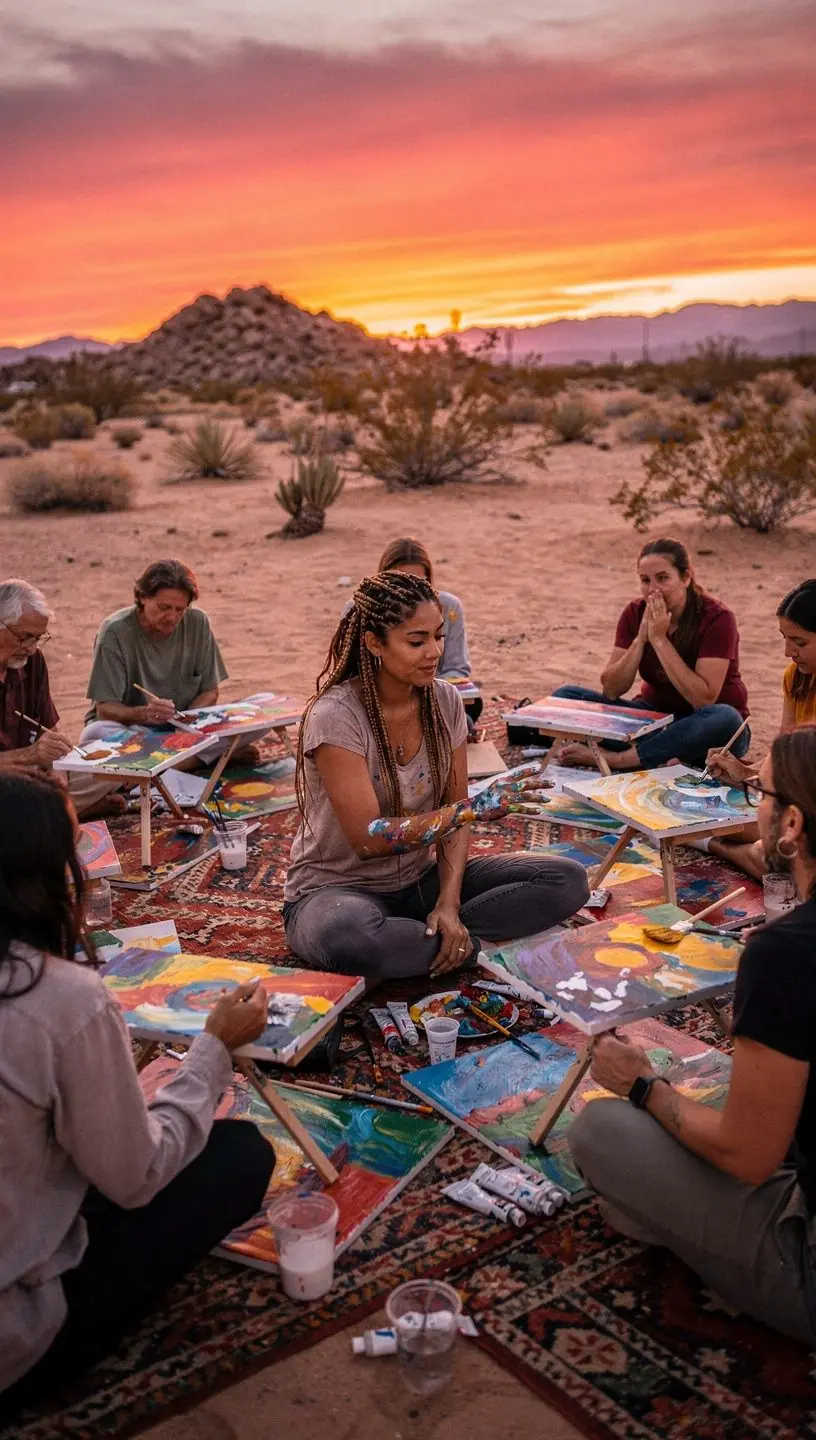
"Watercolor is a dynamic medium that requires patience and practice, as the paint interacts uniquely with water and paper."
Key Techniques to Enhance Your Watercolor Skills
- Wet-on-Wet Technique: This method involves applying wet paint onto wet paper. It is often recommended for creating soft edges and blending colors seamlessly. Many users report that this technique can lead to stunning, ethereal backgrounds in landscapes.
- Dry Brush Technique: By using a dry brush with minimal water and paint, you can achieve textured effects. This technique typically takes time to master, as it requires steady control to prevent over-saturation of the paper.
- Layering: Applying multiple layers of transparent washes can enhance depth and richness in your painting. Experts suggest starting with lighter colors and gradually building up to darker shades, allowing each layer to dry before adding the next.
- Color Mixing: Understanding how to mix colors effectively is vital. Research indicates that rather than relying solely on pre-mixed paints, creating your own mixtures can yield more personalized and vibrant colors.
Acknowledging Limitations and Setting Expectations
While these techniques can significantly improve your watercolor painting skills, it's important to recognize that learning them typically requires consistent practice. Most beginners find that developing a feel for the materials and techniques may take several weeks of dedicated effort.
Additionally, watercolor painting may not be ideal for individuals who prefer more control over their medium, as the fluid nature of watercolors can sometimes lead to unpredictable results. However, this spontaneity is also part of what makes watercolor painting so enjoyable and rewarding.
Conclusion
In summary, mastering watercolor painting involves understanding its basic principles, practicing various techniques, and embracing the learning process. By incorporating the methods discussed above, you can enhance your skills and create stunning artwork. Remember, patience and practice are key components of artistic growth, so enjoy the journey of exploration in the world of watercolors!