Exploring the Intersection of Art and Wellness
Art has long been recognized not just as a form of expression, but as a pathway to improved mental health and wellness. Engaging in creative activities can contribute to emotional well-being. In this article, we will explore how art and wellness intersect, providing insights into the benefits of artistic hobbies and community engagement.
Understanding the Connection
Research indicates that participating in creative activities can significantly impact mental health. According to a study published in the journal Art Therapy, individuals who engage in art-making reported lower levels of anxiety and depression. The principle behind this is that the act of creating allows individuals to process emotions and experiences in a constructive manner.
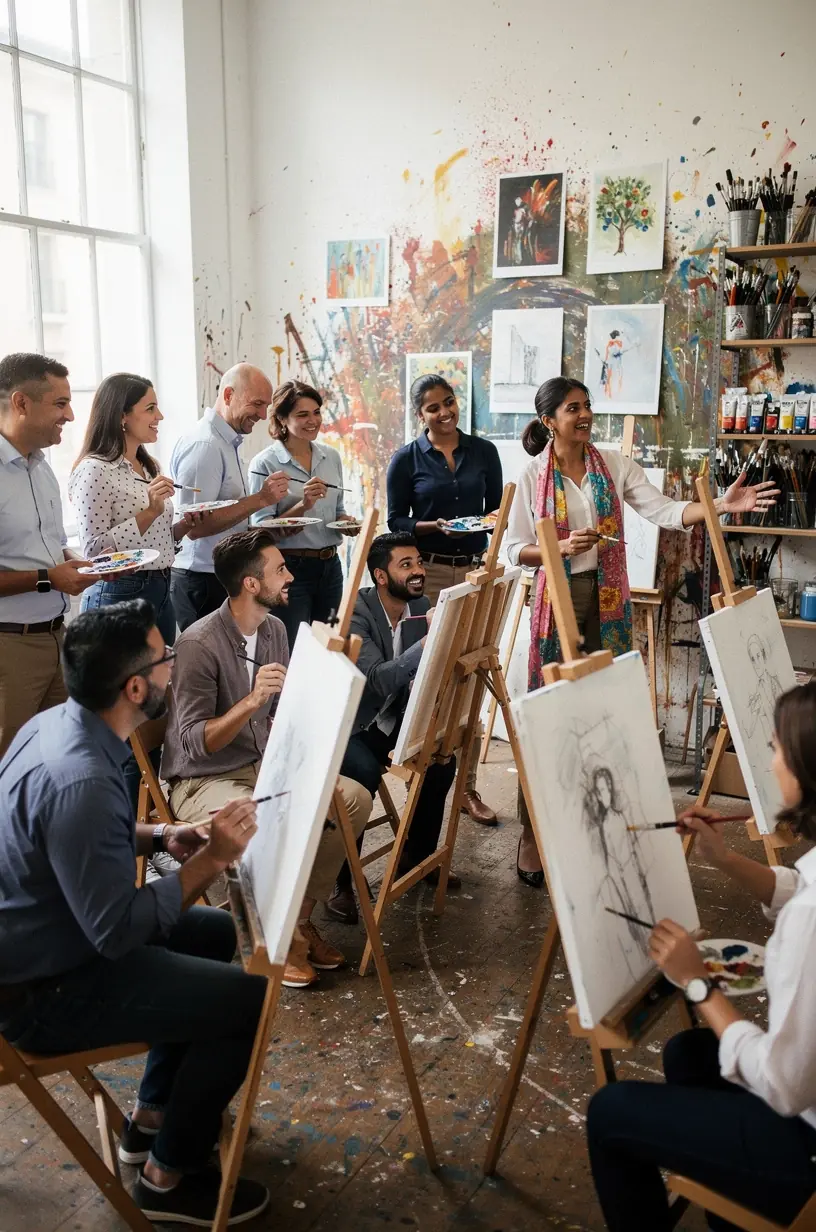
"Engaging in art can be a therapeutic process that encourages personal expression and emotional healing." — Art Therapy Journal
The Benefits of Artistic Hobbies
Artistic hobbies such as painting, drawing, or crafting can offer various wellness benefits, including:
- Stress Reduction: Engaging in art can lower cortisol levels, a hormone associated with stress. Many users report feeling more relaxed and centered after a creative session.
- Enhanced Cognitive Function: Studies suggest that creative activities can improve memory and cognitive flexibility. This is particularly beneficial for individuals looking to maintain mental acuity as they age.
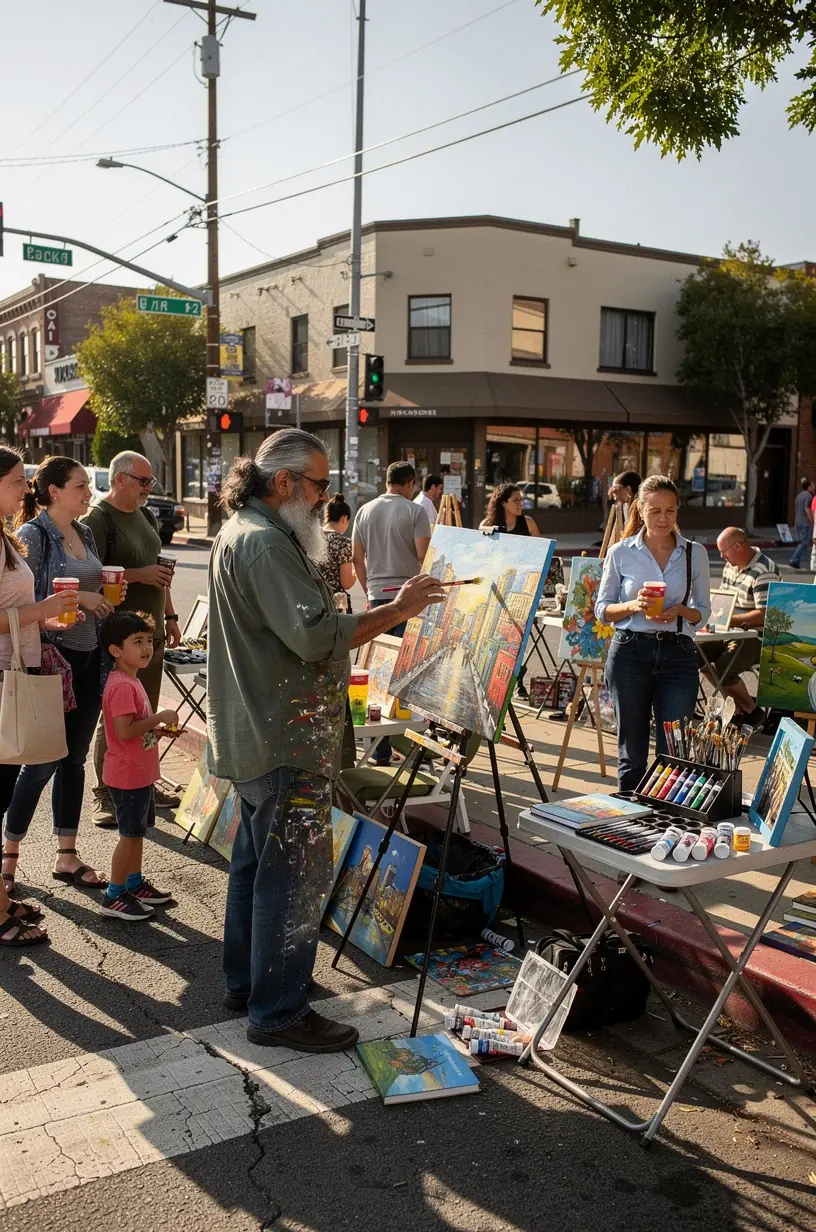
- Social Connection: Participating in community art events fosters connections with others. Research indicates that social interaction can enhance emotional well-being, making artistic hobbies an effective way to build relationships.
How to Get Started
Starting an artistic hobby can be both exciting and daunting. Here are some practical steps to help you begin:
- Choose Your Medium: Consider what type of art you are drawn to, whether it’s painting, drawing, or sculpture. Experimenting with different mediums can help you discover your passion.
- Set Realistic Goals: Set achievable goals for your artistic practice. For instance, dedicating a few hours a week can be sufficient to see improvements and maintain motivation.
- Join a Community: Look for local workshops or groups focused on art. Engaging with others who share your interests can provide support and enhance your experience.
Acknowledging the Limitations
While engaging in art can be beneficial, it’s important to acknowledge its limitations. Artistic practice typically requires time and commitment; results may not be immediate. Many users report that developing skills and finding personal expression in art can take several weeks or even months of practice. It’s essential to approach art with an open mind and patience.
Conclusion
Art and wellness are deeply intertwined, with numerous studies highlighting the positive effects of creative activities on mental health. By engaging in artistic hobbies and community events, individuals can foster emotional well-being and personal growth. Remember, the journey into art is personal; there is no right or wrong way to express yourself. As you explore this intersection, keep in mind that the benefits typically unfold over time, and dedication can lead to rewarding outcomes.